
If the thought of roasting a whole turkey makes you break out in a cold sweat, take a deep breath. You’ve got this! There’s something magical about pulling a perfectly roasted turkey out of the oven- especially when you didn’t spend the whole day stressing about it. This recipe keeps things simple, flavorful, and fun so you can focus on the good stuff: family, friends, and that first slice of crispy, golden skin. Let’s make your best turkey yet!

There is no wet brine, no dry brine, no plastic bag, no getting up at 6 am on Thanksgiving morning. I have found this method of cooking turkey at a super high temperature to be the best way to roast a turkey. The cooking time varies depending on the size of your turkey. Look at the chart below to determine how long to roast. I have been using this method for the last 10 years, and the result is always the same. Juicy turkey, crisp skin, flavorful meat, and less time in the kitchen. So if this is your first turkey or you are a seasoned home cook, I hope you give this recipe a try. If you do, let me know how it turns out!
Ingredients needed for a roasted turkey:

Whole Turkey
10-24 pounds Whole Turkey, defrosted. If you bought a frozen turkey, plan to defrost it in the refrigerator for 4-6 days before you plan to cook it. On the day of cooking, take it out of the fridge one hour before prepping to bring it to room temperature; this helps ensure even cooking.
Olive oil
1/4 cup or more, depending on the size of the turkey. You will need enough to cover the outside of the entire turkey.
Salt
About 3-4 tablespoons of Kosher salt. You need enough to cover the outside of the entire turkey.
Black Pepper
About 2-3 tablespoons of black pepper. You need enough to cover the outside of the entire turkey.
Fresh Herbs
1 bunch each of Rosemary, Thyme, Sage, and Parsley.
Lemon
1 whole lemon, cut in half.
Butter
2 tablespoons of butter, divided. You will rub a tablespoon of butter under the skin over each breast and leg. You can also try an herb butter if you want to add even more flavor.
STEP-BY-STEP INSTRUCTIONS
PRE-HEAT OVEN TO 475°. SET PAN ON THE LOWEST OVEN RACK IN A 475° OVEN. ROAST ACCORDING TO TIME CHART:
- 10-13 lb. 50min to 1 1/4 hrs.
- 13-16 lb. 1 1/4 hrs to 1 hr 50 mins.
- 16-19 lb. 1 1/4 hrs to 2 hrs.
- 19-22 lb. 1 1/2 hrs to 2 hrs
- 22-24 lb. 1 1/2 hrs to 2 1/2 hrs.
Step 1- Get the Turkey Ready
Start by removing the truss that holds the legs together. Trim off any extra fat from the neck or body cavity, and remove the bag of giblets and turkey neck.
Step 2- Rinse and Dry
Rinse the turkey inside and out with cold water, then pat it completely dry with clean paper towels. Dry skin = crispy, golden results!

Step 3- Prep the Roasting Pan
Line the pan with aluminum foil. Place your adjustable V-shaped rack in a 13 x 16 x 3-inch roasting pan. Make sure the bird sits at least 2 inches above the pan’s bottom so heat can circulate evenly.


Step 4- Season the Turkey
Rub the turkey all over with olive oil, then sprinkle generously with salt and pepper. Set the bird breast-side-up on the rack. Pull the wings away from the body and twist the tips underneath to prevent burning.

Step 5- Stuff the Cavity
Stuff the empty turkey cavity with fresh herbs and one lemon cut in half. This adds a subtle, fragrant flavor to the meat as it roasts. Do not fill the cavity with stuffing or dressing. The safest way to cook stuffing is in a separate dish and bake it on its own. Even if that’s how your grandma did it back in the day, we know better now that it’s not a good idea to cook it inside the turkey.
Step 6- Rub Butter Under the Skin
To make the turkey extra juicy and flavorful, gently loosen the skin from the meat by inserting your fingers between the skin and the breast, starting at the neck cavity. Carefully create a pocket without tearing the skin. Rub 1 tablespoon of butter per breast under the skin over each breast and leg.


Step 7- Protect the Tips and Pan
Cover the tips of the drumsticks with small foil caps. If any part of the turkey hangs over the edge of the pan, tuck a foil collar underneath to keep all the drippings in the pan. Do not tie the legs together, stuff the cavity further, or close it—your turkey needs room to cook evenly.

Step 8- Add the Thermometer
Insert an oven-safe meat thermometer into the thickest part of the breast, with the tip touching the bone. This gives the most accurate reading for doneness. If you don’t have an oven-safe thermometer, check the temperature of the turkey after about 50 minutes. Remove the turkey from the oven to avoid letting all the heat out while you check the temperature. Insert an instant-read thermometer into the thickest part of the breast. Continue to roast and check the temperature until the turkey reaches 160 degrees.
Step 9- Roast and Monitor
Check the thermometer periodically as your turkey cooks. Roast until the thickest part of the breast reaches 160°F. About halfway through roasting, rotate the pan in the oven to ensure even browning. If parts of the breast start to get too dark, cover them with a small piece of foil.

Step 10- Remove and Rest
When the turkey hits 160°F, remove it from the oven and place the pan in a warm spot. Loosely cover the turkey with foil to keep it warm.

If you’re cooking sides in the same oven, rearrange your racks and lower the temperature to 400°F as needed. Let the turkey rest 30–60 minutes—this allows the internal temperature to reach the safe 165°F and keeps the meat juicy.
Step 11- Drain Juices and Prepare to Carve
Carefully drain any juices from the turkey’s body cavity into the roasting pan. Transfer the bird to a platter or rimmed cutting board, saving the juices for gravy—they’re packed with flavor!
Step 12- Remove the Legs
Cut the legs off at the thigh joint. If the joint still looks red or pink, return the legs to the oven for 3–5 minutes at 300–475°F, or heat them in the microwave for 3–4 minutes.
Step 13- Carve the Turkey
Slice down the middle of the breast bone and then cut as close to the breast bone as you can, removing the entire breast of the turkey. Then remove the thighs and wings. Cut the meat off the thigh bone and leave the wing intact. Do this on both sides. Now that all of the pieces have been removed from the turkey, you can cut the pieces into smaller slices. Don’t worry if the carving juices are clear, pink, or rosy—they’re all safe. Save the turkey drippings for gravy or drizzle over the slices for extra flavor.

Check out this website https://www.thekitchn.com/turkey-carving-for-beginners-251014 for a video and images on how to carve a turkey!
Step 14- Time-Saving Tip
If you’re working with a frozen turkey, plan ahead: thaw it in the refrigerator 4–6 days before Thanksgiving. Take it out about an hour before roasting to bring it to room temperature for more even cooking.
Helpful Hints
- If you are working with a frozen bird, plan ahead! Thaw it in the refrigerator 4-6 days before Thanksgiving. Take it out about an hour before roasting to bring it to room temperature for more even cooking.
- Before you begin, make sure your oven is clean- wipe any spills from the bottom of the oven to prevent burning and smoke.
- Adjust the oven racks before preheating the oven to accommodate the turkey. This usually means removing one rack and lowering the remaining rack to the lowest spot.
- Try not to get the butter on the outside of the skin, because the butter will burn in the oven at such a high oven temperature.
- Open a window and turn on the fan of your stovetop once you put the turkey in the oven. It can get smoky because the oven is at such a high temperature, and the oil might splatter and cause some smoke.
- Smoke in the oven? Check for drips from the pan or wings. Adjust the foil under the wings or place the roasting pan in a larger rimmed pan to catch drips.
Whether it’s the holiday season or just a cozy gathering with some friends, roasting a turkey doesn’t have to feel intimidating. If this is your first turkey or the first time you’re hosting a full turkey dinner, you’re already well on your way to a bird packed with delicious flavor. Take a breath, trust the process, and get ready to impress, because you’ve absolutely got this!

More Recipes To Try!

Easy Roasted Turkey Recipe
*This roasted turkey is everything a holiday centerpiece should be. Juicy. golden, and full of flavor. With simple step-by-step instructions and helpful tips, this recipe takes the stress out of Thanksgiving and ensures delicious results every time. Perfect for first-time turkey cookers and seasoned chefs alike!
*recipe adapted from Safeway
Ingredients
- 10-24 lbs. Whole Turkey, defrosted
- 1/4 cup Olive oil *see note below
- 3-4 tbsps Salt *see note below
- 2-3 tbsps Pepper *see note below
- Fresh herbs, one bunch each of rosemary, thyme, sage, and parsley. *see note
- 1 lemon, cut in half
- 2 tbsps butter
Instructions
- Get the turkey ready: Start by removing the truss that holds the legs together. Trim off any extra fat from the neck or body cavity, and take out the giblets and neck.
- Rinse and dry: Give the turkey a quick rinse inside and out with warm water, then pat it completely dry with paper towels. A dry bird means crispier skin!
- Prep the roasting pan: Line the pan with aluminum foil. Place your adjustable V-shaped rack in a 13 x 16 x 3-inch roasting pan. Make sure the bird will sit at least 2 inches above the bottom of the pan so heat circulates evenly.
- Season the turkey: Rub the turkey all over with olive oil, then sprinkle generously with salt and pepper. Set the bird breast-side-up on the rack. Pull the wings away from the body and twist the tips underneath the bird to keep them from burning.
- Stuff the cavity: Stuff the empty cavity with fresh herbs and one lemon cut in half.
- Rub butter under the skin: To loosen the skin from the turkey, gently insert your fingers between the skin and the meat, starting at the neck cavity and working towards the breast. Slowly and carefully pull the skin away from the bird, creating a pocket for the butter. Be careful not to tear the skin. Then take a tablespoon of butter for each breast and rub it under the skin all over each breast and leg.
- Protect the tips and pan: Cover the tips of the drumsticks with small foil caps. If any part of the turkey hangs over the edge of the pan, tuck a foil collar underneath so the drippings flow back into the pan. Don’t tie the legs together, stuff the cavity, or close it up—this bird needs room to cook evenly.
- Add the thermometer: Insert an oven-safe meat thermometer into the thickest part of the breast, with the tip touching the bone. This will give you the most accurate reading for doneness.
- Roast and monitor: Check the thermometer periodically as your turkey cooks. Roast until it reaches 160°F in the thickest part of the breast. About halfway through roasting, rotate the pan in the oven to ensure even browning. If parts of the breast start to get too dark, cover them with a small piece of foil.
- Remove and rest: When the turkey hits 160°F, remove it from the oven and place the pan in a warm spot. Loosely cover the turkey with foil to keep it warm. If you’re cooking sides in the same oven, rearrange your racks and lower the temperature to 400°F or as needed. Let the turkey rest 30–60 minutes—this allows the internal temperature to reach the safe 165°F and keeps the meat juicy.
- Drain Juices and Prepare to Carve: Carefully drain any juices from the turkey’s body cavity into the roasting pan. Transfer the bird to a rimmed cutting board or platter, saving the juices for gravy because they are packed with flavor.
- Remove the Legs: Cut the legs off at the thigh joint. If the joint still looks red or pink, return the legs to the oven for 3-5 minutes at 300–475°F.
Notes
- If you are working with a frozen turkey, plan ahead! Thaw it in the refrigerator 4-6 days before Thanksgiving. Take it out about an hour before roasting to bring it to room temperature for more even cooking.
- Before you begin, make sure your oven is clean- wipe any spills from the bottom of the oven to prevent burning and smoke.
- Adjust the oven racks before preheating the oven to accommodate the turkey. This usually means removing one rack and lowering the remaining rack to the lowest spot.
- I don’t measure the olive oil, salt, or pepper. Just use enough oil to coat the outside of the bird and sprinkle generously with salt and pepper.
- Try not to get the butter on the outside of the skin, because the butter will burn in the oven at such a high temperature.
- Open a window and turn on the fan of your stovetop once you put the turkey in the oven. It can get smoky because the oven is at such a high temperature, and the oil might splatter and cause some smoke.
- Turkey Serving Size- 1 1/4 lbs per person.
10 lbs serves about 8 people
13 lbs serves about 10 people
15 lbs serves about 12 people
20 lbs serves about 15 people
25 lbs serves about 20 people
Recommended Products
As an Amazon Associate and member of other affiliate programs, I earn from qualifying purchases.
-
 Turkey Platter for Thanksgiving, 16 inches Large Serving Tray with Handles Serving Platters for Turkey Porcelain Serving Dish for Entertaining Christmas Meat Display Thanksgiving Plates Set of 2
 -
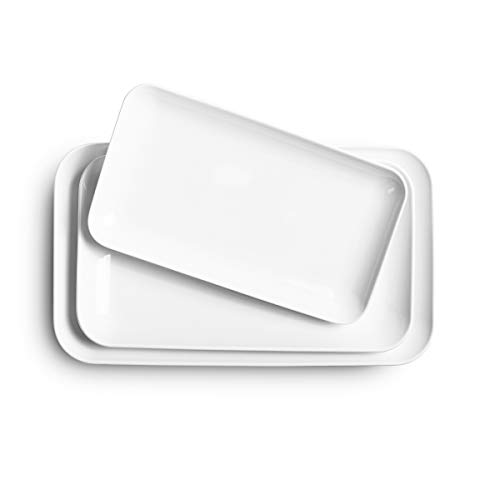 DELLING Large Serving Platter Set 16/14/12inch Large Serving Tray - Rectangular White Serving Trays for Party, Sushi, Oven Safe Dinnerware Set of 3, White
 -
 Extra Large Cutting Board, 17.6" Bamboo Cutting Boards for Kitchen with Juice Groove and Handles Kitchen Chopping Board for Meat Cheese board Heavy Duty Serving Tray, XL, Empune
 -
 HENCKELS Classic Razor-Sharp 8-inch Slicing Knife, German Engineered Informed by 100+ Years of Mastery, Stainless Steel
 -
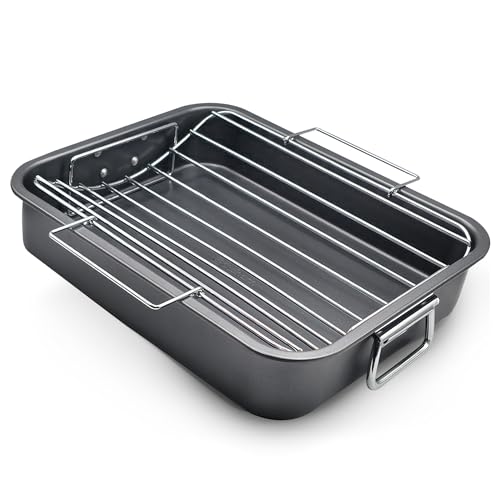 Roasting Pan With Rack 11" x 15" - Non Stick Large Roaster Pan and V-rack with foldable handles - Roasting Pans for Ovens to Elevate Food for Even Heating - Dishwasher Safe Turkey Roast Pot
Nutrition Information:
Yield: 8 Serving Size: 1Amount Per Serving: Calories: 38Total Fat: 4gSaturated Fat: 2gUnsaturated Fat: 2gCholesterol: 8mgSodium: 79mgCarbohydrates: 1gFiber: 1gSugar: 0gProtein: 0g
I have included an estimation of the nutrition information for this recipe. However, always remember a recipe is so much more than just nutritional content, and these numbers do not need to dictate your food choices. Please don’t forget that both your body and soul need nourishment! The owner of this website is not liable for this estimation


